
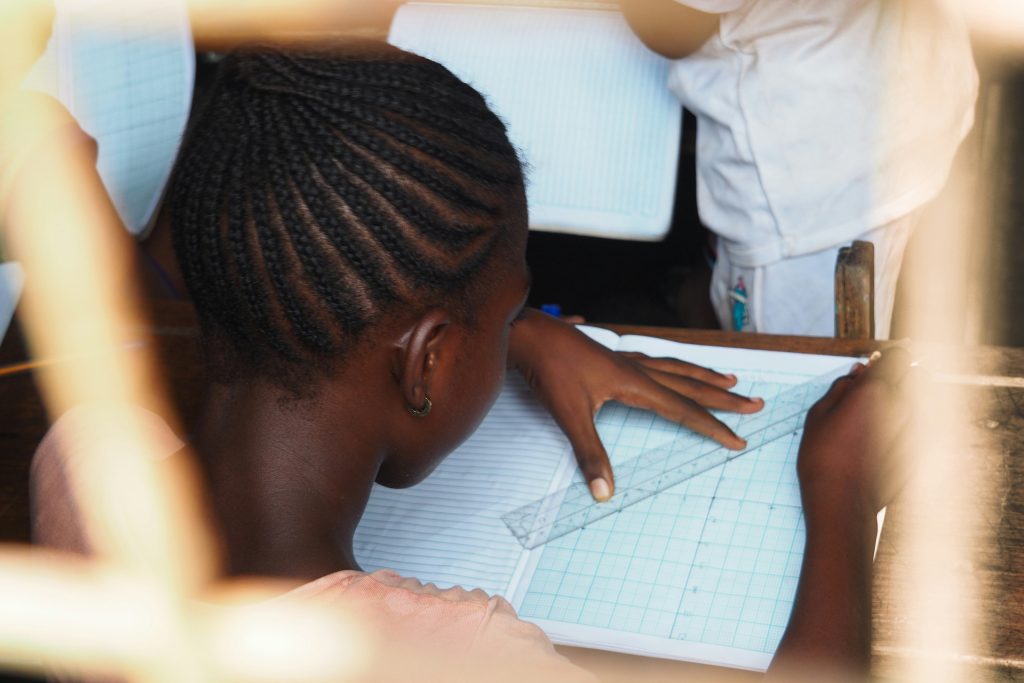
I spend much of my time in conversations with different stakeholders thinking through policy priorities, reflecting on what is working. It is in these conversations that one truth has become impossible to ignore: when young people are listened to, education works better. I was reminded of this during a school visit where a teacher trainee was leading a lesson. She had prepared thoroughly, but halfway through; a learner offered an example drawn from daily life that reframed from the entire topic. The trainee paused, adjusted her approach, and invited others to build on it. The engagement rose immediately. Learning deepened. What unfolded was not disruption. It was co-creation.
This is why the International Day of Education 2026, marked under the theme “The power of youth in co-creating education,” resonates so strongly with our work at Mizizi Elimu Afrika, formerly Zizi Afrique Foundation. The theme captures what evidence and practice are telling us with growing clarity: young people are not passive beneficiaries of education systems. They are active agents within them. Recent evidence from a youth agency study conducted in Kenya reinforced what we see across our partnerships. Young people demonstrate agency in practical, everyday ways. They support peers who are struggling, adapt learning to make it meaningful, and question approaches that do not serve them. Teacher trainees navigate complex classrooms by listening, improvising, and learning alongside their students. These actions may appear small, but collectively they shape how education is experienced on the ground.
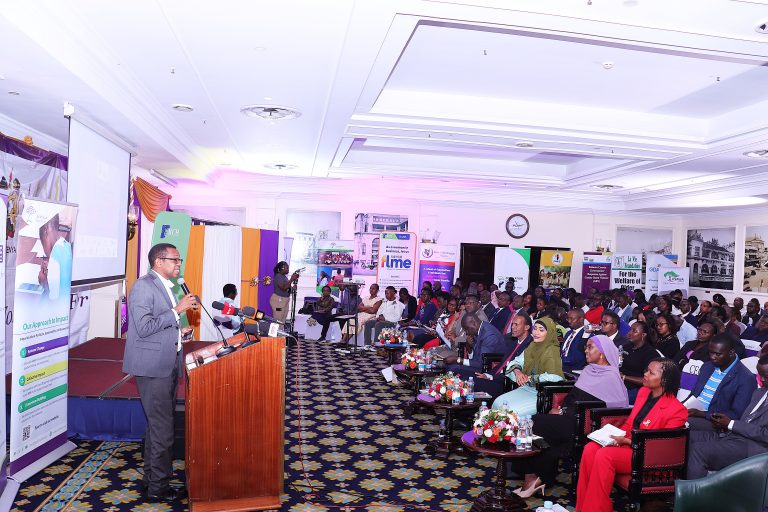
The study also highlighted a critical gap. Youth agency thrives where systems intentionally create space for participation and feedback. Where structures are rigid and hierarchical, that same agency is constrained or goes unnoticed. This gap is not just technical. It is relational. It reflects who we trust, whose knowledge we value, and how power is distributed within education systems. As Coordinator for Partnerships and Engagement, this insight matters deeply to how we work. Our role is to connect actors across the ecosystem and ensure that collaboration leads to real change. Under our Vision 2040, Mizizi Elimu Afrika is building a movement for education systems that deliver strong foundations, values, and life skills for every child and young person. Movements are not built through institutions alone. They are built through shared purpose and shared ownership.
Across our partnerships, we intentionally centre youth voice. We support teacher education initiatives that treat trainees as reflective practitioners rather than passive recipients of training. We engage youth networks and community actors so that evidence reflects lived experience, not just aggregated indicators. We work with government and development partners to ensure that policies and programmes are informed by the realities of classrooms and communities. The youth agency evidence challenges all of us to be more deliberate. Co-creating education is not about consultation for its own sake. It is about designing systems that are responsive, accountable, and grounded. It is about recognising that young people understand the strengths and limitations of education systems because they live with them every day.
As we mark this International Day of Education, the message I carry into every partnership conversation is simple. If we want education systems that are relevant and resilient, we must create space for young people to shape them. Listening is not a soft skill. It is a systems strategy. At Mizizi Elimu Afrika, our commitment under Vision 2040 is to continue building partnerships that value evidence, prioritise collaboration, and place youth agency at the centre of systems change. Education will only reach its promise when those it serves are invited to help design its future.