
The Early Childhood Development (ECD) conversation has not only gained momentum in Kenya but has also led to shifts in investment in the sub-sector, as evidenced by improved investment in Early Childhood Education centres, the recruitment of ECD teachers, reduced mortality rates, increased immunization uptake, and the creation or adoption of policy frameworks in ECD. However, beneath this great progress lies a critical crisis affecting children below age four, specifically those aged 0-3 years, who are the youngest and often forgotten.
Despite overwhelming evidence on the benefits of investing in early years and the critical nature of the “first a thousand days” for brain development, emotional well-being, and lifelong learning, children aged 0-3 years continue to be neglected in Kenya’s childcare system. Nearly all the counties in Kenya have not set policies to ensure the provision of quality standards in the formal childcare spaces.
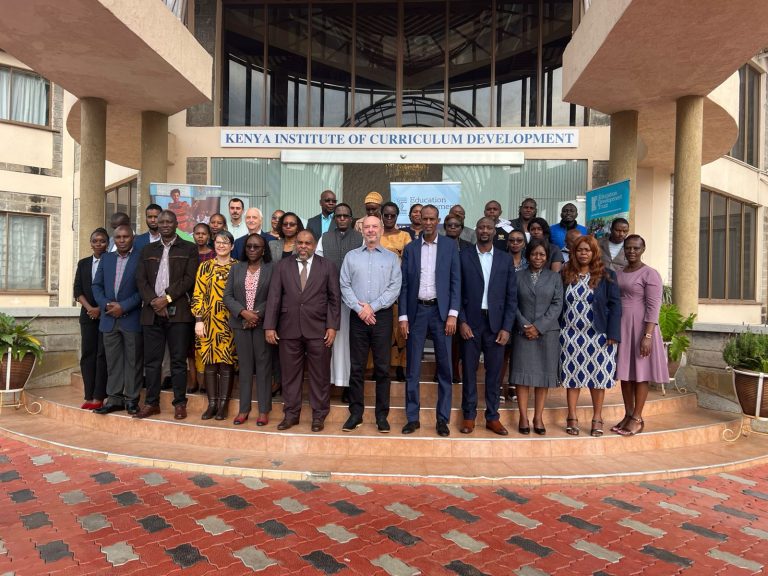
Most childcare spaces are informal, with untrained and unsupported caregivers who provide nurturing care services that fail to meet the developmental needs of these children. These uncomfortable truths were laid bare by different stakeholders during the 2025 6th ECD conference in Kenya, held in Garissa, which brought together government officials, policymakers, researchers, practitioners, and partners in the ECD space. Since childcare is the foundation to equity, education, and economic growth of a society, investment in it does not support only the children but builds stronger families, which in turn supports the care environment for young children. Some of the learnings from the ECD Conference in reshaping childcare systems are:
Reframing the Concept of Opportunities for Early Learning
Opportunities for Early learning in Kenya are often narrowly interpreted as formal instruction for children aged four to five (4-5 years) within ECDE centres. This strongly stood out in the past ECD convenings and was echoed by most presenters in the ECD conference. This limited view has led to systemic neglect of children aged 0-3 years. The misinterpretation stems from the fusion of ECD with pre-primary education, which sidelines other components or the broader concept of early childhood development, which includes health, nutrition, responsive caregiving, and protection. This misunderstanding distorts policy priorities, misguides budget allocations, and undermines the design of programs meant to support holistic child development. As a result, infants and toddlers are excluded from structured support systems, despite overwhelming evidence that the first 1,000 days are foundational to lifelong learning and well-being. To correct this, national and county governments should:
- Operationalize the Integrated Early Childhood Development Policy with clear guidelines for children under four years.
- Establish childcare as a distinct policy pillar, separate from ECDE.
- Harmonize standards across counties to ensure equity and quality.
- Building Systems, not just structures
Despite the evidence and partners’ support in strengthening childcare systems, the countries still face the challenge of fragmented leadership in all five components of nurturing care in ECD (Health Nutrition, opportunities for early, responsive caregiving, and safety & Security). Failure to take the lead in monitoring and evaluation, including tracking developmental milestones and assessing the quality of services provided by caregivers in childcare spaces. The fact that most counties lack policy alignment on matters related to ECD means they continue to interpret ECD and Early Childhood Education (ECE) in a way that focuses solely on ECE. This leads to minimal participation in the budgeting processes for ECD, which in the end affects issues of accountability and absorption of ECD funds.
The counties should therefore:
- Include childcare in Medium-Term Expenditure Frameworks (MTEFs) and County Integrated Development Plans (CIDPs).
- Ensure transparency and public participation in budget formulation and monitoring.
- Align allocations with service delivery targets, including caregiver training, facility upgrades, and inclusive programming.
Professionalization and scaling the childcare services
Kenya has a growing body of research on childcare, much of it led by organizations including Zizi Afrique Foundation. The evidence provided by these research institutions has shown that most childcare centers are informal, concentrated in urban areas, mostly run by untrained caregivers in unsafe environments, and provide compromised quality childcare services. To expand formal, free childcare services, counties should:
- Professionalize the childcare workforce through training, certification, and fair remuneration.
- Support community-based childcare centers with grants, infrastructure, and technical assistance.
- Leverage community health systems to deliver parenting support and monitor child development.
- Prioritize inclusive services for children with disabilities and adolescent mothers.
The childcare crisis in Kenya is not just a gap in services but seems to be a vision gap. The concept of early learning has been boxed into classroom walls and misinterpreted as a pre-primary privilege rather than a developmental right for children 0-8 years. But science and evidence clearly reveal that early learning begins at birth, and nurturing care is its foundation. Opportunities for Early learning are not just about preparing children for school but also about preparing society to value caregiving, invest in equity, and build systems that allow babies, toddlers, and young children to interact effectively with their immediate environment. It’s time to move beyond fragmented programs and donor-led ECD interventions and move toward a nationally owned, county-driven childcare ecosystem that is free, formal, and inclusive.