

The Action for Life Skills and Values in East Africa (ALiVE) program, under the Children on the Margins initiative, has reached a key milestone with its Quarter Two learning visits in Isiolo and Kajiado counties. Implemented in partnership with six organizations across the two Arid and Semi-Arid Land (ASAL) regions, and coordinated by Zizi Afrique Foundation (ZAF), the program is transforming how children, schools, and communities approach education beyond academics.
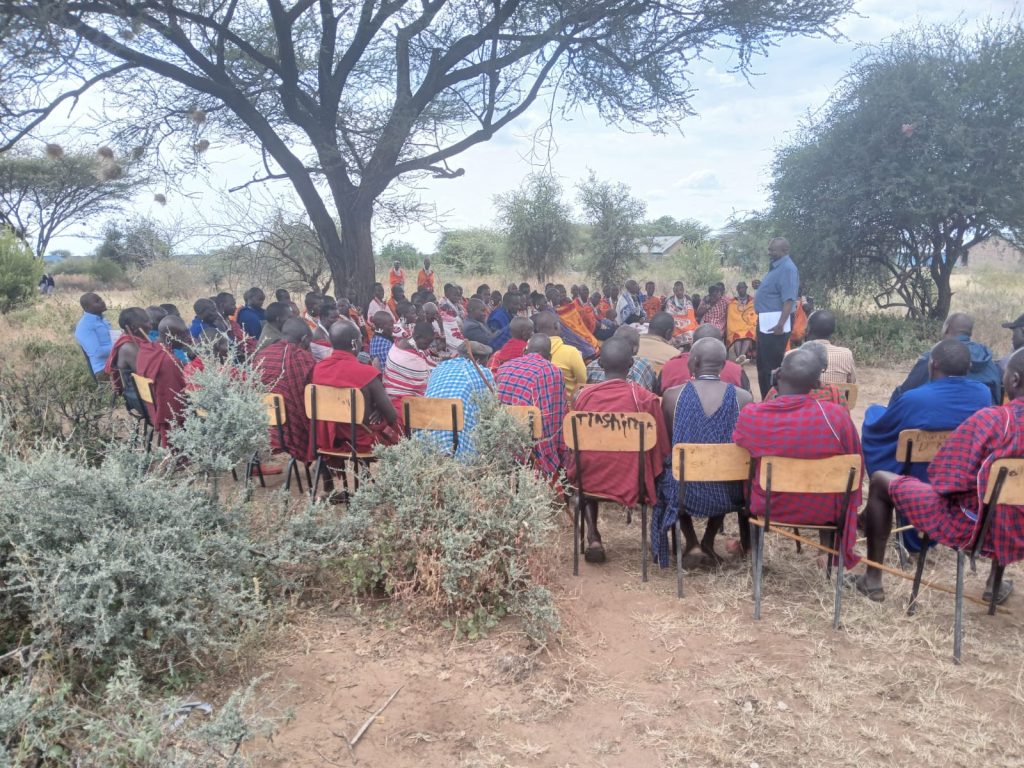
The Quarter Two learning visits, conducted in June 2025, provided an opportunity to reflect on achievements and challenges while deepening collaboration among stakeholders. In Kajiado County, partners included Dupoto-e-Maa, GRIC, Edukans, ZAF, Porticus, and the Ministry of Education. Through these partnerships, more than 500 participants engaged in a series of activities ranging from school visits and teacher training to community dialogues. For example, Dupoto-e-Maa coordinated school visits to Torosoi and Emurkea Primary Schools in Elangata Wuas, while Edukans convened a teacher training workshop at Olkejuado Boys Primary School. GRIC, on the other hand, facilitated a community dialogue at Kisapuk, which was the first structured session of its kind focusing on life skills and values in the region.
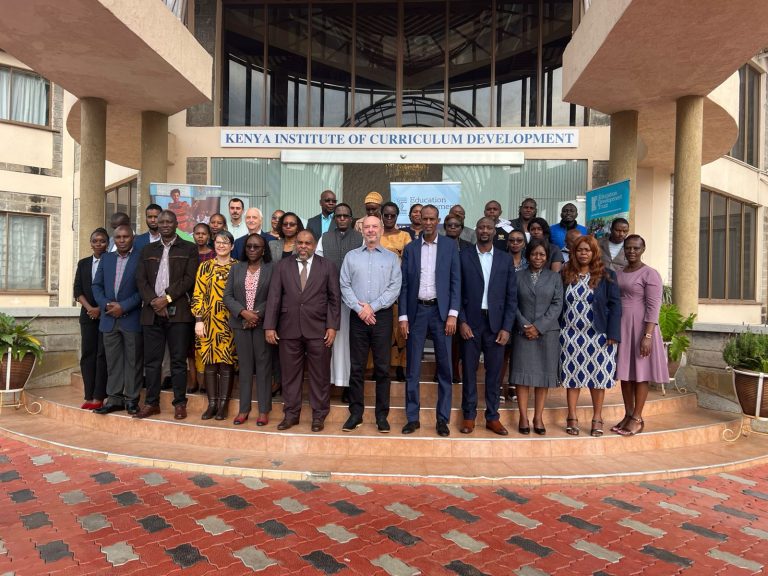
At the end of the monitoring, the partners held a joint debrief at the Dupoto-e-Maa offices and later paid a courtesy call to the County Director of Education, Dr. Martin Cheruiyot. His remarks highlighted the significance of government buy-in for sustainable impact. In his words, “We are fully committed to supporting the ALiVE program because it empowers our children not only academically, but also in life. Values and life skills are essential in preparing our young people for the future, and we welcome every effort that strengthens collaboration between schools, communities, and education authorities.” His statement underscored the government’s recognition of values-based education as a critical element of holistic learning and affirmed the role of ALiVE as a partner in policy and practice.
Isiolo County presented a different but equally promising context. Here, the program was implemented by Dignitas, Basic Needs Basic Rights (BNBR), and Pastoralist Women for Health and Education (PWHE), with support from the Regional Education Learning Initiative (RELI). The three organizations covered Isiolo, Merti, and Garbatulla sub-counties, each contributing unique strengths. Dignitas introduced a coaching model that linked Teachers Service Commission (TSC) staff with Early Childhood Development (ECD) coordinators, providing much-needed mentorship to teachers and improving classroom practice. BNBR implemented the Youth First Kenya program, reaching 547 learners and 106 teachers in 56 schools, where teachers received training to integrate life skills into lesson delivery. PWHE mobilized communities through dialogue, mapping positive practices, and identifying local champions to anchor values education within cultural norms and traditions.
Despite notable progress, both counties experienced challenges. Frequent teacher transfers disrupted program continuity, while some educators were reluctant to adopt values education, considering it outside their main teaching roles. Additionally, the crowded school calendar limited opportunities for extracurricular activities, which are often ideal spaces for practicing life skills. Isiolo faced the added difficulty of insecurity in some areas, which hindered school visits and monitoring. Logistical challenges, including long travel distances across sparsely populated regions, further complicated program implementation. Finally, the presence of multiple organizations sometimes led to coordination gaps, risking duplication of efforts or inconsistencies in approach.
From these learning visits, several key lessons emerged. First, harmonization of partner workplans and standardization of training tools are essential to ensure consistency in delivery. Second, aligning program activities with school calendars minimizes scheduling conflicts and ensures teacher and learner availability. Third, expanding values education beyond classrooms into sports, arts, and other co-curricular activities creates opportunities for learners to practice skills such as teamwork, problem solving, and resilience in real-life contexts. Fourth, mentorship and coaching for teachers must be prioritized to strengthen their confidence in delivering life skills within the Competency-Based Curriculum (CBC). Furthermore, the role of guidance and counselling teachers was highlighted as an underutilized resource in values education, pointing to the need for their deliberate inclusion. Lastly, there is a need for deeper cultural studies to anchor values education in indigenous traditions, thereby making it more relatable and sustainable within local communities.
The visits also reinforced the importance of student agency in sustaining change. Learners who were empowered to participate in decision-making, form clubs, and lead peer initiatives showed greater ownership of values-based practices. This affirmed the program’s commitment to creating not only competent learners but also responsible citizens capable of applying values in everyday life.
In reflecting on the achievements and challenges of Quarter Two, the ALiVE program demonstrated that embedding life skills and values in education is both feasible and impactful. It requires, however, deliberate collaboration between schools, parents, communities, and education authorities. The involvement of the County Director of Education in Kajiado and the engagement of local champions in Isiolo show that government and community ownership are indispensable for sustainability. By bridging policy, practice, and culture, ALiVE is laying the foundation for long-term transformation in Kenya’s ASAL regions.
As the program transitions to Quarter Three, the focus will be on deepening collaboration, strengthening community ownership, and refining strategies based on the lessons learned. The evidence from Isiolo and Kajiado suggests that values and life skills are not only complementary to academic achievement but are also critical in shaping inclusive, resilient societies. In this sense, ALiVE is more than an education program; it is a catalyst for social change, preparing children and young people to thrive in complex and uncertain environments.